


Today’s CEOs are facing more challenges than ever, as demonstrated by the two-decade high in turnover for healthcare CEOs, instability in the global (and national) economy, and an increasingly competitive and rapidly changing post-pandemic health and human service. Despite these pressing challenges, there are key directional trends in the field that are known— such as integrated care models, payviders, retail health care and consumerism, reimbursement tied to performance, price sensitivity, and the end of the public health emergency.
For executives, envisioning the opportunities and future market positioning in the ever-evolving landscape will be a key leadership competency and a critical piece of organizational success. The OPEN MINDS Chief Executive Officer Learning Path was created to equip today’s CEOs with the critical skills and competencies needed to embrace current challenges, make informed decisions, and lead their organizations into the future with confidence.
View featured courses and sessions below to get started!
Optimizing Health Plan Contracting: The 2026 OPEN MINDS Executive Seminar On Building Referrals, Revenue & Margins
Across the country, managed care organizations are successfully delivering treatment services to large populations and doing it in a way that saves states significant sums of money. These demonstrated savings show that value-based reimbursement and managed care arrangements aren’t going anywhere. For executives, this means they must find a way to position themselves to work closely with managed care companies. And provider organizations need to move from an understanding of the key competencies required in the VBR model to tactical initiatives for implementing the talent, technology, and systems that deliver quality and value.
How? By developing relationships with the payers in your market, considering what metrics they are tied to and how you can help them to meet their performance requirements, discussing how you can align programs and services with the goals of the payers and health plans in your market, and providing data that proves your service lines can achieve both high quality outcomes and lower costs. In this crucial seminar, we will discuss:
- How to start strategic conversations with health plans
- How to confirm the foundational components of infrastructure needed for VBR are in place and demonstrate your organization’s value in a way that will capture health plan’s interest
- How to secure and optimize service agreements with health plans and implement approaches to realign service models to ensure success in a value-driven market
Rick Gutierrez, Ph.D., BCBA

Rick Gutierrez, Ph.D. brings over 20 years of clinical and operational experience to the OPEN MINDS team. His unique blend of experience has allowed him to drive impactful outcomes in the developmental disability and behavioral health fields.
Prior to joining OPEN MINDS, Dr. Gutierrez served as Vice President, Clinical Strategy & Operations at Easterseals Southern California. In this role he oversaw the outpatient Applied Behavior Analysis provider network and Enhanced Care Management in partnership with Kaiser Permanente. Dr. Gutierrez also oversaw START Crisis services, behavioral services for all residential services, negotiation and management of contracts with network providers and payers, and intake and customer service functions including revenue cycle management, benefits and eligibility, and authorization teams. In addition, he developed and monitored the implementation of a strategic plan in collaboration with the Chief Clinical Officer.
Prior to this, Dr. Gutierrez served as Regional Vice President and Director of Subcontracting also at Easterseals Southern California.
Previously, Dr. Gutierrez served as Clinical Administrator at Applied Behavioral Consultants, Inc. where he oversaw all clinical aspects of community-based behavioral health treatment for consumers in Southern California. He also monitored compliance across multiple areas of the organization, negotiated contracts with most major health plans, and led new program development. Before this role, Dr. Gutierrez served as Regional Director and Program Manager at Applied Behavioral Consultants, Inc.
Dr. Gutierrez is a certified Emotional Intelligence (EQ) trainer, licensed psychologist in California, and Board-Certified Behavior Analyst (BCBA). He has overseen a variety of service settings, including adult day programs, residential programs, and intensive therapy programs like Applied Behavior Analysis (ABA), and has worked with individuals across the lifespan who have developmental disabilities and co-occurring mental health conditions. He has experience managing projects aimed at enhancing service delivery, ensuring that strategic initiatives align with budgeted funding and contribute to sustainable growth. He has worked across diverse funding models, including those from the Department of Developmental Services, insurance companies, and school districts, while ensuring programs meet accreditation standards. Additionally, he has shared his expertise globally, giving numerous talks on program development, leadership, and employee retention. These combined clinical and operational skills make him a versatile leader capable of improving both care delivery and organizational performance.
He has also served as Program Director, Behavior Consultant, and Case Manager at various organizations. Dr. Gutierrez is an active member of multiple professional organizations.
Dr. Gutierrez earned his Doctorate of Philosophy from Capella University, his Masters of Science from California State University, and his Bachelors of Art from University of California.
Murray Beachtel

Murray Beachtel brings over ten years of program evaluation and data analysis experience to the OPEN MINDS team. His areas of expertise include quality assurance management, data analytics, human service program evaluation, and psychological studies.
Before joining OPEN MINDS, Mr. Beachtel served as a Data Analyst of Quality for the Summit Container Corporation, a start-up design and manufacturing company that specializes in protective packaging for circuit boards. As the key operator for the organization’s production system, Mr. Beachtel oversaw the operations of special projects that utilized lean strategies and financial analyses that helped increase overall production. In addition, he created and maintained the data flow between all departments of additional location sites and lead company compliance efforts with respect to data security and transfer. Throughout his tenure with Summit, Mr. Beachtel improved process completion time over 10% in 3 months, reduced downtime of temporary labor, and developed several quality improvement programs.
Previously, Mr. Beachtel served as the Program Evaluation Consultant with the Dauphin County Department of Human Services, in Harrisburg, Pennsylvania. In this role, he was responsible for evaluating the effectiveness of over 80 different county programs, developing information databases, and implementing data quality improvement strategies. He also modified and implemented a funding algorithm that is now responsible for the distribution of over $22 million in funding to county nonprofits.
In addition to his professional experience, Mr. Beachtel has been involved in a number of research projects throughout his academic and professional careers. His most notable research project, titled Resilience and Locus of Control on Mentorship, evaluated the impact of mentorship intervention on two children/youth programs. As a result, he developed a data collection and reporting systems to track interventions and the effects on quality over time.
Mr. Beachtel earned his master’s degree in Psychological Science from the University of Shippensburg, in Shippensburg, Pennsylvania and his bachelor’s degree in Criminal Justice and Psychology from Messiah College, in Mechanicsburg, Pennsylvania.
Portfolio Management To Optimize Organizational Performance: The 2026 OPEN MINDS Executive Seminar On How To Build A Service Line Portfolio For The Future
Sponsored By: 
In the current environment of changing consumer expectations and new financial models, two essential skills that all executives need to master are the ability to evaluate and modify existing service lines as well as the ability to develop new services to meet the changes in the evolving market.
In this revamped seminar, OPEN MINDS industry expert Joe Naughton-Travers will break down the process of evaluating current service lines to help answer the questions, which ones should you keep, invest in or curtail? They will also discuss the details of the finances, legacy and compliance issues that come with enhancing the service lines you already have. In addition, they’ll review real-world case studies, and the tools used in the analysis to help create a budget for new service lines, the understanding of reimbursement rates, and the units of service and staffing needed to help organizations decide if this is a viable option.
Attendees will take away:
- A multi-faceted approach for evaluating service line opportunities
- The tools needed to analyze current and new service lines
- Real world examples of new service line development and decision making from successful organizations
4:00 pm – 4:30 pm
From Manual Reporting To Meaningful Insight: A Practical Framework For Data-Driven Decision-Making
Part of the Portfolio Management Seminar
Many behavioral health organizations struggle to turn data into consistent action—especially when reporting is manual, delayed, or difficult to trust.
In this session, Dr. Ivan Haskell, Executive Director of the Joseph J. Peters Institute (JJPI), and Rich Rose, Senior Business Intelligence Services Consultant at Qualifacts, will share how JJPI moved beyond inconsistent data collection to establish a scalable approach to visibility, accountability, and performance management.
Attendees will leave with a clear, adaptable framework for embedding analytics into everyday workflows, improving visibility, and making confident, data-driven decisions at the individual, team, and organizational levels.
Joseph P. Naughton-Travers, EdM

Joseph P. Naughton-Travers, EdM, Senior Associate, has more than 30 years of experience in the health and human service field. In this tenure as senior associate with OPEN MINDS since 1998, he has served as lead of dozens of client initiatives, served as editor of OPEN MINDS publications, and is the author of many groundbreaking articles and presentations.
Mr. Naughton-Travers brings to OPEN MINDS a broad range of experiences in private and public sector delivery of behavioral health and social services. He started his career as a behavioral health clinician, working in both child welfare and community mental health clinic settings. Subsequently, Mr. Naughton-Travers held a senior business operations management position for a psychiatric hospital system and its community mental health clinics. Later, he was vice president of a firm specializing in information systems and billing and receivables management for community-based mental health programs.
Since joining OPEN MINDS, Mr. Naughton-Travers has developed business solutions for provider and professional organizations, state and county government, technology companies, and venture capital firms. His primary areas of expertise include strategic planning and metrics-based management, electronic health record (EHR) and technology selection and implementation, operations improvement, and corporate compliance. For the past decade, over half his consulting practice has focused on aiding organizations in technology selection and implementation, including all aspects of strategic technology planning, functional specifications development, request for proposal development, vendor selection, and contracting.
He has written numerous articles, including “Winning the Human Resource Wars: Tried, True and New Strategies for Behavioral Health and Social Service Organizations,” “Five Pillars of Management Competency,” “Data Driven Decision Making: Moving to an Organizational Measurement Culture,” “Survival of the Smartest: What is Your Organization’s Information Literacy IQ?,” and “Strategic Human Resource Management: Aligning Compensation with Employee Performance and Organizational Strategy.” Mr. Naughton-Travers is also a nationally recognized speaker, having conducted hundreds of executive and professional executive training events around the nation.
Mr. Naughton-Travers received his Bachelor’s degree from Miami University of Ohio and his Masters’ of Education in Counseling Psychology from Boston University.
Ivan Haskell, Ph.D.

Dr. Haskell is the Executive Director of Joseph J. Peters Institute (JJPI), a Philadelphia-based non-profit organization. He holds a Ph.D. in Clinical-Community Psychology from the University of South Carolina and is a licensed psychologist in Pennsylvania. Dr. Haskell has served as the clinical and administrative leader of mental health programs in traditional clinics, schools, and community-based settings. In 2010, he assumed the role of Director of Social and Psychological Services for a nationally recognized network of charter schools, where he was instrumental in creating its social work and counseling/therapy programs. Prior to assuming the role of Executive Director at JJPI in January 2017, Dr. Haskell served as the Chief Program and Clinical Officer at a Philadelphia-based behavioral health and child welfare organization. Dr. Haskell has interests in mental health parity and workforce issues, the application of psychology in community settings, evidence-based practices, trauma-informed care, prevention programming, and the use of performance-based data to aid in program improvement.
Rich Rose
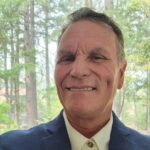
For more than five years, Rich Rose has been the Senior Business Intelligence Consultant for Qualifacts where he provides in-depth support and agency-specific consultation for agencies contracted for the Credible Business Intelligence (BI) solution. He began his Qualifacts career as a member of the service team where he resolved over 4,000 support cases, acquiring subject-matter expert status in business intelligence, ad hoc reporting, and data systems on the Credible platform.
Prior to joining Qualifacts, Rich was the Quality Improvement and Compliance Director for a Credible partner agency, giving him a deep understanding of the Credible platform. He has a bachelor’s degree in business leadership and a master’s degree in business administration. Being based in Southern Oregon, in his off time, Rich enjoys hiking, rafting, fishing, and playing with his three dogs!
Integrated Behavioral Health In Action: Lessons From Kaiser Permanente’s Whole Person Care Model
As behavioral health leaders seek better access, coordination, and outcomes, Dr. James Tong shares an inside look at Kaiser Permanente’s integrated care approach. He examines how behavioral health is woven into screenings, evaluations, diagnosis, and care delivery system of Kaiser, and discusses partnerships with leading provider organizations to strengthen access and coordination. Designed for executives, this session offers practical insights from one of the largest health systems in the country for building sustainable integrated care models that improve quality and patient experience.
James E. Tong, M.D.
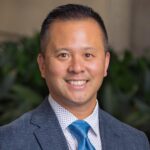
James Tong, M.D. is a board-certified pediatric nephrologist and physician leader with Southern California Permanente Medical Group, where he serves as the Care of Children Service Line Leader. He provides regional leadership for pediatric care across Southern California, including oversight of pediatric specialty services and the Autism Spectrum Disorder (ASD) Program, partnering with physicians, clinical teams, and healthcare leaders to advance quality, improve access, and strengthen the delivery of care for children and families.
Since joining SCPMG in 2009, Dr. Tong has combined his passion for caring for children with a commitment to building stronger healthcare systems. His leadership has focused on fostering collaboration across disciplines, developing physician leaders, and driving initiatives that improve care for children and families while supporting the teams who care for them.
Dr. Tong earned his medical degree from Case Western Reserve University School of Medicine and completed his pediatric residency and fellowship in Pediatric Nephrology at the University of California, San Francisco. Throughout his career, he has remained dedicated to mentoring future leaders, advancing innovation in pediatric healthcare, and creating meaningful improvements that extend beyond the bedside.
Known for his thoughtful and collaborative leadership style, Dr. Tong believes that the greatest impact is achieved when people unite around a shared purpose. Whether caring for patients or leading regional transformation, he is driven by the opportunity to improve the health and well-being of children, families, and the communities they serve.
Perfecting Patient Engagement & Experience From Beginning To End
Patient engagement is no longer a single touchpoint—its an end-to-end ecosystem that shapes clinical outcomes, operational efficiency, and long-term organizational growth. This session explores how leading behavioral health organizations are redesigning the patient journey from the first outreach to sustained recovery, with strategies that blend human-centered design, technology enablement, and trauma-informed care.
Discover how to create a customer success program through proven tactics for improving intake and navigation, enhancing the care experience across care teams, strengthening communication, and supporting successful transitions and follow ups.
J.J. Johnston, Ed.D., BCBA

Dr. J.J. Johnston is a Board Certified Behavior Analyst, educator, and executive leader in Experience and Service Excellence at Easterseals Southern California. With over 30 years of experience, she specializes in designing human-centered systems elevating both service delivery and organizational culture.
Dr. Johnston holds a Doctorate in Organizational Leadership and has taught behavior analysis and early childhood education at the post-secondary level, preparing future professionals in the field. Presentation at professional conferences include CalABA, and ABAI, APA, and NAEYC, and is a certified facilitator, delivering emotional intelligence and communication training across all levels of organizations.
Dr. Johnston has led enterprise efforts to define and operationalize organizational values and established a Customer Success model grounded in exceptional service and heart connecting individuals and families to meaningful support through both compassion and strategic design.
Her work integrates behavioral science, survey methodology, qualitative and narrative analysis, and Organizational Behavior Management (OBM) to transform feedback into actionable insights that drive engagement, belonging, and impact. She also serves on nonprofit boards across Southern California and contributes to California DDS Task Force Workgroups.
As a professional and a mother of adult children on the autism spectrum, Dr. Johnston brings a deeply personal and powerful perspective to her work championing services which are genuinely person-centered, of the highest quality, and effective.
Rene Hurtado, MBA

Rene Hurtado was born and raised in El Paso and has over 25 years of experience in healthcare operations and public policy. He holds a bachelor’s degree in communications and a master’s degree in business administration from the University of Texas at El Paso.
Mr. Hurtado has extensive experience in both the public and private sectors of healthcare delivery systems along the U.S.-Mexico border. He has designed communication initiatives in different areas of public health to include trauma & crisis communications, children’s outreach and poison control centers. He has also led marketing and public affairs initiatives for one of the largest hospital systems in El Paso, where he designed multi-media communications initiatives for various healthcare product lines including pediatrics, kidney transplant and oncology. In the area of public policy and government relations, he served as Director of Public Affairs for Spectrum Communications where he advocated for effective telecommunications legislation.
He currently serves as Chief of Staff for Emergence Health Network, the designated mental health authority for El Paso County responsible for designing and maintaining the public mental health/developmental disability service delivery system for the region to include crisis services and suicide prevention. He oversees community affairs, human resources, training & education, and government relations.
Mr. Hurtado also works and has held leadership positions with various community agencies. He has served as chair of the public relations committee for the Paso Del Norte Health Foundation and chair of the government relations division for the Greater El Paso Chamber of Commerce. He also volunteered with Leadership El Paso, Creative Kids and various community agencies. Mr. Hurtado is a graduate of the Mexican American Legal Defense Fund Leadership Program, Leadership El Paso and the El Paso Creative Cities Leadership Group.
Recently Mr. Hurtado was appointed to One Fund El Paso, which provided guidance and resources for victims of the El Paso August 3rd 2019 Walmart Shooting and has advocated for increased access to mental health services as a result of this tragic mass shooting.
Financial Leadership In Uncertain Times
With inflation, labor costs, and reimbursement volatility, financial leadership is being tested like never before. Join a candid discussion on what today’s CFOs and CEOs must do to weather economic turbulence.
Paul Duck

Paul M. Duck brings over 25 years of experience in leadership and management focusing on managed care, health information technology organizations, strategy, business development, and market expansion, and customer experience optimization to the OPEN MINDS team.
Prior to joining OPEN MINDS, Mr. Duck served as the Vice President, Strategy & Development at Beacon Health Options. In this role, Mr. Duck led the organization’s strategy and business development efforts – responsible for a 30% increase in net revenue and initiated over $1 billion in revenue generation. Mr. Duck was active in national behavioral health initiatives as an executive of Beacon Health Options, including participating as a speaker at national and state association meetings.
Before joining Beacon Health Options, Mr. Duck was the Vice President of Business Development at Netsmart Technologies. During his tenure, Mr. Duck was responsible for business planning, including, the oversight of strategic activities including acquisitions, development, and execution of strategic initiatives, and positioning, and sales of large strategic customers. He also led the rollout of the company’s benchmarking and data analytics product suite.
Prior to Netsmart, Mr. Duck served as the Chief Executive Officer for Coastal Orthopedics and Pain Management, a large group practice with five clinic locations and two ambulatory surgical centers. As the organization’s chief executive officer, Mr. Duck was responsible for significant positive changes in leadership and corporate culture, financial and operational performance, compliance, and governance. Mr. Duck improved net collections by over $1 million per month and grew the practice through negotiating better contract rates with payers. He also implemented an organizational rebranding initiative and launched a new marketing campaign.
Prior to Coastal Orthopedics and Pain Management, Mr. Duck served as the President and Chief Executive Officer for Florida Radiology Imaging, one of the largest outpatient diagnostic imaging service companies serving the greater Orlando market. During his tenure, Mr. Duck led the construction of three new, full modality, diagnostic imaging locations. Mr. Duck revolutionized the company’s culture by creating a highly attractive and functional work environment.
Mr. Duck earned his Bachelor of Arts in Business Management from Case Western Reserve University. He earned his Bachelor of Arts in Electronic Engineering Technology from the Electronic Technology Institute. Mr. Duck received an award by Inc Magazine for leading Florida Radiology Imaging as one of America’s fastest-growing companies. Mr. Duck recently served as a contributing author to the book The New Health Age: The Future of Health Care in America.
Ken Carr

Ken Carr brings over 20 years of finance, technology, data analysis and reporting experience in the health and human service field to OPEN MINDS. He currently ia a Senior Associate with the OPEN MINDS consulting practice. In this role, he served as a subject matter expert in the OPEN MINDS consulting practice where he has led numerous engagements in strategic planning, merger and acquisition prospecting, business process improvement, financial analysis of service lines, and technology selection.
Before joining the OPEN MINDS team, he served as the Chief Financial Officer of The Centers, a community mental health center in Ocala, Florida. In this position, Mr. Carr led a realignment of the organization’s financial management functions. This included revenue cycle management, EHR bill implementation and reporting, cash management enhancement, and strategic financial analysis.
Prior to his role at The Centers, Mr. Carr served as Chief Financial Officer of Guild Incorporated, an organization providing residential and community based mental health services in St. Paul, Minnesota. As CFO, Mr. Carr led the financial, billing, IT, quality, informatics, compliance, and facilities activities. During his tenure at Guild Incorporated, Mr. Carr used his expertise in change management and business process improvement to lead the EHR implementation team, align service data reporting and financial performance, and lead the financial and data capture activities for new service initiatives.
Mr. Carr has also held the positions of Administrative Director and Finance Director at the St. Paul National Testing Laboratory, a biomedical testing facility of the American Red Cross. In those positions he oversaw activities to enhance inventory management, align financial results to industry standards, and improve financial and facilities performance through problem analysis and quality management initiatives. He also was involved in directing human resource functions during laboratory closing near the end of his tenure.
Mr. Carr earned a Bachelor of Science in Business Administration from the University of South Dakota, and a Master of Divinity Degree from Sioux Falls Seminary. He maintains an active CPA license with the State of South Dakota.
Private Equity For ABA Unpacked: Balancing Innovation, Profit & Mission
Private equity continues to play a role in shaping the behavioral health landscape—bringing capital for expansion, technology, and innovation, while raising questions about sustainability, quality and mission alignment. This session offers a clear and candid look at the dynamics of private equity in behavioral health. Panelists will consider the pros and cons of private equity investment, and the implications it has had on certain programs across the nation, including Applied Behavioral Analysis (ABA).
Participants will gain a balanced perspective to help them evaluate potential partnerships, strengthen their strategic posture, and ensure that financial objectives support the organization’s mission and well-being of the individuals they serve.
Rob Haupt, MS, BCBA

Rob oversees LEARN’s partnership department and clinical support teams, which manage administrative operations functions, including payor contracting, credentialing, intake, scheduling, authorizations, clinical compliance, and operational systems. He brings to the position 20-plus years of experience working with individuals with disabilities, having led the expansion of Autism Spectrum Therapies (AST) from southern California to northern California and eight additional states. With an M.S. in counseling, Rob is a board certified behavior analyst and has served on several boards and taught at California State University, Los Angeles.
Neil Hattangadi, M.D.

Healthcare innovation is Neil’s driving passion. Drawing on his training as a physician and scientist, Neil has spent his career leading, advising, and investing in the medical and biotech industries. His experience spans established, market-leading corporations to groundbreaking, early-stage start-ups. Neil holds degrees from Duke University, Harvard Medical School, and Oxford University, where he studied as a Rhodes Scholar.
Aaron Blocher-Rubin, Ph.D., BCBA

Dr. Aaron Blocher-Rubin serves as the President and Chief Executive Officer of Arizona Autism United (AZA United), which he founded in 2006. With more than 30 years of experience in autism services, his leadership has been instrumental in building AZA United into a leading nonprofit organization serving individuals and families across Arizona.
Dr. Blocher-Rubin holds a Ph.D. in Human Services from Capella University and an MBA in Healthcare from the University of Phoenix, and is a Board Certified Behavior Analyst (BCBA). He has been actively engaged in professional leadership and advocacy, including serving as Past President of the Arizona Association for Behavior Analysis (AzABA) and as a current board member for the Arizona Association of Providers for People with Disabilities (AAPPD) and the Arizona Council of Human Service Providers.
His career in the field began over three decades ago at UCLA and continued at the Southwest Autism Research & Resource Center (SARRC) before founding AZA United. Throughout his career, he has gained direct experience across nearly every aspect of service delivery and organizational operations, shaping his approach to leadership and innovation in nonprofit healthcare. His contributions have been recognized through awards including the Organization of Nonprofit Executives’ Nonprofit Director of the Year Award, the Arizona Top Workplaces’ Midsize Business Leadership Award, and the Phoenix Business Journal’s 40 Under 40 Award.
Dr. Blocher-Rubin’s passion for autism services is deeply personal, inspired by his youngest brother’s diagnosis and the impact it had on his family. He is driven by a lifelong commitment to supporting children, families, and communities while building systems that create meaningful, lasting change. At AZA United, he is dedicated to fostering a mission-driven culture that emphasizes collaboration, innovation, and improving quality of life for everyone involved.
Outside of work Aaron enjoys playing musical instruments, going for neighborhood bike rides, and rooting for the Boston Celtics.
Inside Payer Innovation: Emerging Programs Transforming Care Delivery
Join our payer panel to hear the latest in innovative programs that top health plan industries are implementing today. This series will feature different payers from across the nation at each 2026 event.
James Giammarco

James Giammarco is the Chief Financial Officer of Medicaid Programs for UPMC Insurance Services in Pittsburgh, Pennsylvania, and brings more than 30 years of experience in Pennsylvania Medicaid and managed care. He oversees the financial performance of UPMC’s Medicaid lines of business, including Community Care Behavioral Health Organization, UPMC Community HealthChoices, UPMC for You, and UPMC for Kids, collectively serving nearly 2 million members and generating approximately $12 billion in annual revenue.
Since 2015, Mr. Giammarco has also served as Chief Financial Officer of Askesis Development Group, a behavioral health software solutions company jointly owned by UPMC and Highmark. In this role, he provides financial leadership and strategic oversight to support innovation in behavioral health technology.
Mr. Giammarco joined UPMC Insurance Services in 1997 and has been with Community Care Behavioral Health Organization since its inception. He assumed additional responsibilities as Chief Financial Officer of UPMC Community HealthChoices in 2019 and expanded his leadership role in 2021 to include financial oversight of UPMC for You and UPMC for Kids.
In addition to his professional responsibilities, Mr. Giammarco serves on the Board of Directors of Allies for Health + Wellbeing, a Pittsburgh-based nonprofit dedicated to improving health outcomes through inclusive healthcare, supportive services, and community education.
A recognized leader in Medicaid finance and behavioral health managed care, Mr. Giammarco frequently collaborates with healthcare executives, policymakers, and industry stakeholders on issues related to Medicaid program sustainability, financial performance, and healthcare innovation.
Carmen Katsarov, LPCC, CCM
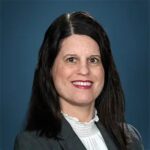
As Executive Director, Behavioral Health Integration Carmen Katsarov leads Behavioral Health at CalOptima Health, the largest of the six county organized health system managed care plans in California. In this role, Carmen oversees all aspects of behavioral health management, including the rollout of new state initiatives. With more than 25 years of experience in clinical practice and leadership, Carmen is a seasoned Social Worker, Licensed Professional Clinical Counselor, and Certified Case Manager. Carmen’s diverse background spans community nonprofit work, hospital settings, utilization management, case management, and managed care. Carmen has directed behavioral health services across Commercial, Medicaid, and Medicare managed care programs. Additionally, Carmen contributes expertise as a member of the CalHHS Behavioral Health Task Force.
State & Local Strategies For The Next Decade: Building Age-Ready Systems of Care

States and communities across the country are responding to rapid demographic change as the population of older adults grows and becomes more diverse. Workforce shortages, rising care needs, and evolving expectations around access, technology, and care coordination are placing new demands on aging and health systems. Many states are developing Multisector Plans for Aging (MPAs) to align policy, coordinate services, and strengthen systems that support aging across health care, housing, transportation, and community services. At the same time, cities and counties are advancing Age-Friendly Community Action Plans to translate these broader policy goals into practical strategies that improve daily life for older adults.
This panel will explore how state and local leaders are working together to build age-ready systems through cross-sector collaboration, expansion of home- and community-based services, workforce development, and community planning. Panelists will discuss how statewide policy initiatives and local age-friendly strategies can reinforce one another to create coordinated systems that support healthy aging over the coming decade.
Sarah Steenhausen
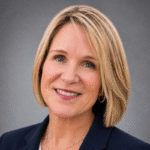
Sarah Steenhausen serves as Deputy Director of the Division of Policy, Research and Engagement at the California Department of Aging. In this role, she collaborates with state departments and stakeholders in developing policy and research impacting older adults, people with disabilities and family caregivers to advance system change and realize the goals of California’s Master Plan for Aging. Previously, Sarah served as Director of Policy and Advocacy at The SCAN Foundation. She began her policy career in 2001 as a Consultant to the California State Senate Subcommittee on Aging and Long-Term Care.
Sarah holds a Master of Science in Gerontology from the University of Southern California, Davis School of Gerontology and a Bachelor of Arts in History from Connecticut College in New London, Connecticut.
Amy Ramirez, MSW

Amy Ramirez is Executive Director of Healthcare Foundation Northern Sonoma County, where she is reshaping regional philanthropy to shift power, align capital, and build community-rooted health infrastructure. A former medical social worker, she leads cross-sector efforts that integrate public financing, workforce development, and community leadership to advance long-term health equity. Her work focuses on designing scalable models that strengthen safety-net systems and center lived expertise in funding strategy.
Aging In Place: Care Models That Are Improving Outcomes
As health care financing shifts toward value-based reimbursement, aging services providers are increasingly expected to demonstrate measurable outcomes while supporting older adults to remain safely at home. This panel will highlight scalable models that align Medicare Advantage plans, provider organizations, hospitals, and community-based services to improve outcomes while controlling costs.
Panelists will share lessons from home-based care coordination programs, hospital-to-home transition models, and provider–payer partnerships that are helping reduce avoidable hospitalizations and improve continuity of care for medically complex older adults.

Jessica Santos, MS, BSN, RN, CWOCN

Jessica Santos, MS, BSN, RN, CWOCN, brings two decades of clinical, operational, and educational leadership experience across home-based care, hospital care, nursing education, workforce development, and quality improvement.
Ms. Santos currently serves as the Director of Patient Care Services for National Home Health Services, a home health organization providing care to more than 2,000 patients each day across Northern California. In this role, Ms. Santos provides clinical and operational oversight across multiple programs and service lines, with responsibility for patient safety, regulatory compliance, clinical quality, and workforce competency. Her responsibilities also include oversight of a hospital-substitution program providing acute, hospital-level services to patients in their homes.
Ms. Santos also has experience in higher education and nursing professional development. She has served in university faculty roles teaching graduate-level psychopharmacology, advanced pathophysiology, and advanced pharmacology. In addition, she has developed clinical curricula and nurse residency programs for health care organizations across the United States, supporting the education and transition-to-practice of nurses in emergency, critical care, medical-surgical, and behavioral health specialties.
Earlier in her career, Ms. Santos held clinical, education, and leadership roles in acute and behavioral health settings. Her experience includes psychiatric and medical-surgical nursing, emergency and intake services, specialty behavioral health programming, clinical instruction, and staff education.
Ms. Santos’ academic preparation spans the biological sciences, nursing, and behavioral health, including graduate education in biomedicine and psychiatric-mental health and undergraduate education in nursing and biochemistry. She earned her nursing degree from Johns Hopkins University and her Master of Science in Biomedicine from Barry University. She is also a Certified Wound, Ostomy, and Continence Nurse.
Kasey Cheal

Kasey Cheal, is the Founder and CEO of Exhava, a boutique concierge home care agency in San Diego specializing in dementia, memory care and autism. With more than 20 years in home care and 13 years leading her own agency, she has hired and trained over 100 caregivers serving medically complex older adults at home, and holds referral partnerships across Sharp, Scripps, and UC San Diego Health. Exhava is a participating partner in Medicare’s GUIDE dementia care model. A Certified Dementia Practitioner and CADDCT-certified trainer, Kasey serves on the City of San Diego’s Senior Affairs Advisory Board, on The Arc of San Diego’s East County Advisory Board, and as Director of Advocacy for NAWBO San Diego.
Paula Digerness, MLTCA, NHA

Paula Digerness is an experienced healthcare executive with more than 25 years of leadership in senior living, long-term care, and healthcare operations. She currently serves as Executive Director and Nursing Home Administrator at Carlsbad by the Sea, a continuing care retirement community recognized for its 5-star Medicare rating and top-quartile satisfaction results. Paula has led multiple communities through record operational performance, innovative dementia care program design, and flawless regulatory surveys. She holds a Master’s in Long-Term Care Administration from the University of Southern California and is pursuing her Doctorate in Social Work. Known for her strategic vision, operational excellence, and commitment to staff development, Paula brings deep expertise in addressing today’s staffing and workforce challenges in healthcare.
Combining Smart Data & Collaboration For Better Performance With Banner Health
Health systems across the country face a common challenge: improving access and quality while managing limited capacity and growing demand. In this keynote, Dr. Marjorie Bessel, Chief Clinical Officer at Banner Health, (who was named as one of Modern Healthcare’s 50 Most Influential Clinical Executives for 2025) will share how a system-wide initiative combining real-time data, interdisciplinary teamwork, and operational alignment transformed patient flow and care performance across six states.
By creating a diverse team, breaking down silos and coordinating daily decision-making across clinical specialties and care settings—including rehabilitation, home-based care, and post-acute services—Banner created smoother care transitions which improved care agility. The results were significant: capacity equivalent to 100 additional beds and the ability to serve nearly 10,000 more patients in a single year.
Join Banner Health to hear actionable insights for harnessing data, strengthening collaboration, and accelerating patient movement across the continuum, all for sustainable operational impact.
Marjorie Bessel, M.D.

Marjorie Bessel, M.D. is the chief clinical officer at Banner Health. Dr. Bessel began her journey with Banner 12 years ago, and has served in progressive physician leadership positions. She initially served as chief medical officer for several hospitals, then moved into the Arizona Division chief medical officer role, before accepting vice president roles for Continuum Management and Clinical Integration. She most recently served as vice president/chief medical officer for Community Delivery.
Her clinical background is as a hospitalist and she maintains board certification and active staff privileges. She is also passionate around empowerment of patients through transparency of individual’s clinical information. Dr. Bessel earned a B.S. in biology, magna cum laude, from Syracuse University and she attended Rush Medical College in Chicago, Illinois, where she was presented with the James B. Herrick award for most outstanding performance in internal medicine. She completed her residency in internal medicine at Rush- Presbyterian St. Luke’s Medical Center, Chicago and was honored by continuing for an additional year in the capacity as Chief Resident.
From Reactive To Strategic: Building A Coherent Technology Roadmap For Behavioral Health
In an environment defined by rapid innovation, behavioral health organizations are facing a critical question: are technology decisions being made strategically or simply in response to immediate pressures?
Too often leaders find themselves investing in disconnected solutions that solve short term challenges but fail to support long term goals. This session will explore how forward-thinking organizations are shifting from reactive decision-making to intentional, multi-year technology planning. Learn how to develop a cohesive technology roadmap that aligns with your organization’s strategic priorities, enhances operational efficiency, and supports sustainable growth.
Attendees will gain practical insights on:
- How to evaluate current investments, prioritize initiatives, and avoid costly missteps that come from fragmented approaches
- The frameworks and leadership perspectives needed to ensure your technology strategy becomes a competitive advantage, not a liability
- The technology adoption and strategy questions every executive team should be asking
Michael Allen

Michael Allen brings over 30 years of experience in the non-profit behavioral healthcare industry to the OPEN MINDS team. He currently serves as an Executive Vice President in our consulting practice, where he provides executive oversight and leadership to provider and payer client engagements for OPEN MINDS.
Mr. Allen was most recently the Chief Executive Officer of SummitStone Health Partners, the largest non-profit behavioral health service provider in Larimer County, CO. In this role Mr. Allen was responsible for the planning deployment, communication and accomplishment of SummitStone Health Partners’ overarching corporate strategy. He managed a budget of $80Million and was responsible for more than 750 full time employees and over 12,000 clients annually.
Prior to SummitStone Health Partners, Mr. Allen served as the Vice President of Managed Care & Operations at AspenPointe (now Diversus Health). At AspenPointe he developed and managed a system of accountability for monitoring and evaluating provider performance in seven Colorado counties. He was also responsible for the quality management oversight of all business lines, as well as managing a substance abuse treatment contract with the Colorado Division of Behavioral Health and a child welfare services agreement with El Paso County Department of Human Services.
Previously, Mr. Allen was the Director of Clinical Care for Connect Care, (rebranded as AspenPointe in 2010). In this position Mr. Allen provided supervision to the clinical staff, as well as developing clinical guidelines and services. He was also the project director for the 4th Judicial District Family Reunification Grant and he oversaw care coordination and voucher management functions for Colorado Access to Recovery Grant.
Before Connect Care, Mr. Allen was the Director of Child Welfare Services for Signal Behavioral Health Network, a non-profit that has been managing and expanding substance use prevention, treatment and recovery services in northeast Colorado for over 25 years. Mr. Allen managed a network of Substance Use Disorder treatment providers, programs and services across 35 Colorado counties.
Mr. Allen earned a Bachelor of Arts in Design/Psychology from Brigham Young University, a Masters in Social Work from Case Western Reserve University, and a Masters in Business Administration from Colorado State University. He is a Licensed Social Worker and a Certified Addictions Specialist in Colorado.
Sharon Hicks, MSW, MBA

Sharon Hicks has more than 30 years of experience in the health and human service field. She has extensive experience and wide range of expertise in health plan management, in clinical operations management, and technology.
Prior to joining OPEN MINDS, Ms. Hicks spent two decades in a number of executive positions within the University of Pittsburgh Medical Center (UPMC) system and within its health plan division. Ms. Hicks served as the Chief Operating Officer for Community Care Behavioral Health, a managed behavioral health organization. She was responsible for all aspects of the organization’s operations including fiscal, information systems, the claims processing department, and the design of clinical systems. In addition Ms. Hicks managed the day-to-day operations of including human resources, facilities, purchasing, and security.
Ms. Hicks also served as the Vice President, Internet Strategy, UPMC Insurance Services Division and, since 2002, as the Chief Executive Officer of Askesis Development Group, Inc. since May of 2002. In this role, Ms. Hicks was responsible for the growth of the company, profitability of the company, and the direction of software development.
Ms. Hick started her impressive health care career as a psychiatric social worker before being promoted to Assistant Director of Social Work. Prior to her executive promotions, Ms. Hicks served as a Clinical Administrator for both Ambulatory Services and Emergency and Intake Services at the UPMC Western Psychiatric Institute and Clinic. In this role, Ms. Hicks managed the behavioral health division, the budgets for all departments, and implemented new software replacing paper billing for clinical services.
Ms. Hicks received both her Masters of Business Administration and Masters of Social Work degrees from the University of Pittsburgh. Before pursuing her graduate education, Ms. Hicks received her Bachelor’s Degree in Psychology.
Building High-Performing Teams Through Effective Clinical Supervision
Examine how organizations can elevate clinical supervision from a compliance requirement to a strategic driver of excellence. As work environments are marked by rising acuity, escalating documentation demands, and persistent workforce shortages, clinical supervision can be a lever for strengthening staff performance, improving retention and ensuring high-quality care.
Presenters will explore evidence-based supervision models, coaching techniques, and frameworks for cultivating professional growth and accountability.
Participants will leave with:
- Strategies for enhancing supervisory skills that empower clinicians at every level
- Lessons to transform team culture and ultimately improve outcomes for both staff and patients
- Discussions on how supervisors can support diverse teams, reduce burnout, reinforce treatment models and create safe environments where staff can thrive
Isaac L. Bermudez, MS, BCBA, IBA, LBA-TX

Isaac is the Chief Innovation Officer of Brett DiNovi & Associates (BDA). Isaac has been providing services in applied behavior analysis (ABA) since 1998. He has worked in executive leadership positions in the behavioral health industry since 2007 and uses the principles of organizational behavior management (OBM) to guide the support and growth of organizations. Over the last 18 years, Isaac has led ABA departments, started companies, and has grown organizations over 500% while earning awards for quality of service and employee satisfaction. In addition to Isaac’s primary role at BDA, he is a keynote speaker for state and national conferences as well as has co-authored articles and chapters, most recently in the textbook on Multiculturalism in Applied Behavior Analysis. Isaac is the co-founder of the Latino Association for Behavior Analysis (LABA) as well as a mentorship program called Mentorologist, which has a dedicated Youtube channel that bears the same name. Finally, Isaac is currently a doctoral student in Human Performance Improvement at Capella University.
Chief Executive Officer Member Network Luncheon
If you’re the Chief Executive Officer or Executive Director of an OPEN MINDS member organization, join us for this private networking luncheon. This is an opportunity to share leadership experiences and solutions with your peers from across the nation. (To register, contact Erin Deppen, Education Events Manager, at 717-334-1329 or edeppen@openminds.com.)
Monica E. Oss

Monica E. Oss, M.S. is the founder of OPEN MINDS and serves as its chief executive officer, executive editor of its publications and websites, and executive lead of its consulting engagements. For the past three decades, Ms. Oss has led the OPEN MINDS team and its research on health and human service market trends and its national consulting practice. She is well known for her numerous books and articles focused on the strategic and marketing implications of the evolving health and human service field – and its focus on the verticals of the field serving consumers with chronic conditions and complex support needs.
Ms. Oss has extensive experience in developing and implementing growth strategies for a wide array of organizations in the field. She has expertise in industry trend analysis, reimbursement, rate setting, and creating actionable plans for market success. In her role, she has led numerous engagements with state Medicaid plans, county governments, private insurers, and health plans, service provider organizations, technology vendors, neurotechnology and pharmaceutical organizations, and investment banking firms – with a focus on the implications of financing changes on delivery system design.
Prior to founding OPEN MINDS, Ms. Oss served as an executive with a nationally managed behavioral health organization, responsible for market development, actuarial analysis, and capitation-based rate setting. She also held a position as vice president of the U.S. risk management and underwriting division of an international insurance company.
Ms. Oss has been the keynote speaker at the conferences of dozens of national associations and has been published in a wide range of professional journals and trade publications. She has provided Congressional and state legislative testimony on issues as diverse as the financial impact of parity and payer medication access policies.
Ms. Oss has led a range of industry research and consultation initiatives, serving as principal investigator on research projects that include the examination of national managed care enrollment and service patterns, development of provider rate structures for government entities, creation of return-on-investment models for technology investments; design of performance-based compensation models within public and private health plans; and analysis of the economic impact of changes in benefit design, adoption of evidence-based practices, and new technologies.
Michael Allen
Michael Allen brings over 30 years of experience in the non-profit behavioral healthcare industry to the OPEN MINDS team. He currently serves as an Executive Vice President in our consulting practice, where he provides executive oversight and leadership to provider and payer client engagements for OPEN MINDS.
Mr. Allen was most recently the Chief Executive Officer of SummitStone Health Partners, the largest non-profit behavioral health service provider in Larimer County, CO. In this role Mr. Allen was responsible for the planning deployment, communication and accomplishment of SummitStone Health Partners’ overarching corporate strategy. He managed a budget of $80Million and was responsible for more than 750 full time employees and over 12,000 clients annually.
Prior to SummitStone Health Partners, Mr. Allen served as the Vice President of Managed Care & Operations at AspenPointe (now Diversus Health). At AspenPointe he developed and managed a system of accountability for monitoring and evaluating provider performance in seven Colorado counties. He was also responsible for the quality management oversight of all business lines, as well as managing a substance abuse treatment contract with the Colorado Division of Behavioral Health and a child welfare services agreement with El Paso County Department of Human Services.
Previously, Mr. Allen was the Director of Clinical Care for Connect Care, (rebranded as AspenPointe in 2010). In this position Mr. Allen provided supervision to the clinical staff, as well as developing clinical guidelines and services. He was also the project director for the 4th Judicial District Family Reunification Grant and he oversaw care coordination and voucher management functions for Colorado Access to Recovery Grant.
Before Connect Care, Mr. Allen was the Director of Child Welfare Services for Signal Behavioral Health Network, a non-profit that has been managing and expanding substance use prevention, treatment and recovery services in northeast Colorado for over 25 years. Mr. Allen managed a network of Substance Use Disorder treatment providers, programs and services across 35 Colorado counties.
Mr. Allen earned a Bachelor of Arts in Design/Psychology from Brigham Young University, a Masters in Social Work from Case Western Reserve University, and a Masters in Business Administration from Colorado State University. He is a Licensed Social Worker and a Certified Addictions Specialist in Colorado.
Beyond The Numbers: The CFO’s Role As A Strategic Asset
As behavioral health providers navigate financial pressures, evolving reimbursement models, and growing demand for services, the role of the CFO has expanded well beyond traditional financial oversight. Today’s finance leaders are strategic partners who help organizations execute their mission by aligning financial strategy with operational priorities, driving data-informed decision-making, and ensuring resources are deployed where they create the greatest impact.
In this session, Steven Collins, Chief Financial Officer of South Coast Community Services, shares lessons learned from leadership roles across non-profit health systems, private equity-backed health care organizations, and behavioral health. Through practical examples, including revenue cycle optimization, operational partnerships, and strategic resource allocation—attendees will explore how finance can become a catalyst for organizational performance and long-term sustainability.
Learning Objectives include:
- Examine how the role of CFO is evolving from financial steward to strategic business partner
- Identify practical strategies for aligning financial planning, operational performance and organizational priorities
- Apply proven approaches to improve decision-making, optimize revenue cycle management, and position finance as a drive of sustainable growth
Steven Collins

Steven Collins is the Chief Financial Officer of South Coast Community Services, where he partners with executive leadership to strengthen financial performance, support strategic growth, and advance the organization’s mission of serving children, adults, and families across Southern California.
Steven has more than 25 years of finance experience, with leadership roles spanning nonprofit health systems, private equity-backed healthcare organizations, behavioral health, hospitals, and multi-site provider organizations. Over the course of his career, he has led enterprise finance organizations through growth, acquisitions, finance transformation, operational performance improvement, and organizational change, partnering closely with executive and operational leaders to help organizations execute strategy.
Prior to joining South Coast Community Services, Steven held senior finance leadership roles with Sonrava Health, a national multi-site dental services organization; Beth Israel Lahey Health, one of the largest nonprofit health systems in New England; Prospect Medical Holdings and Prime Healthcare, national multi-hospital health systems; and Elements Behavioral Health.
Steven earned a degree in Economics from the University of York in the UK and is a Certified Public Accountant (CPA) in the United States.
Ethical Uses Of AI In Operational & Clinical Decision-Making: An Interactive Discussion Session
As artificial intelligence becomes embedded in clinical care, administrative workflows, and day-to-day operations, executive teams face increasingly complex decisions about where AI should – and should not – be used. Questions of ethics, liability, governance, transparency, and consumer trust are no longer theoretical; they are operational realities.
In this interactive discussion session, attendees will examine three real-world AI scenarios affecting provider organizations. Through facilitated discussion, participants will explore the legal and ethical implications of each situation, discuss executive decision-making frameworks, and identify practical approaches for developing AI policies that support innovation while managing organizational risk.
Stuart Buttlaire, Ph.D., MBA

Stuart Buttlaire brings over 35 years of executive, clinical, and policy experience to OPEN MINDS. Dr. Buttlaire has experience in both the public and private sectors of healthcare providing leadership and direction in healthcare delivery. His career has focused on advancing integrated behavioral health and addiction medicine through strategic innovation, system redesign, quality improvement, and sustainable policy reform.
Previously, Dr. Buttlaire was the Regional Director of Behavioral Health and Addiction Medicine for Kaiser Permanente. In this role, Dr. oversaw a $200 million portfolio serving 4.6 million members across 23 emergency departments and 33 medical centers. He led development and operations across inpatient, ambulatory, emergency, call center, and contracted community services, supporting more than 2,500 mental health and substance use disorder providers. His leadership resulted in significant system transformation grounded in person-centered, measurement-based, and integrated care models. Dr. Buttlaire was also the lead Mental Health Representative for State Program Initiatives, including Medicaid (Medi-Cal) and Medicare. He pioneered the design and implementation of two psychiatric inpatient units, including a nationally recognized medical/psychiatric unit for individuals with complex co-morbidities. Additional innovations include integrated urgent services for youth and adults, intensive outpatient programs, multi-family group treatments for severe psychiatric conditions, and a mobile app for eating disorders that earned Kaiser’s Innovation Award.
Dr. Buttlaire is a widely respected advisor on behavioral health policy, legislation, and regulatory strategy. He has worked closely with state and federal agencies on issues of parity enforcement, financing reform, Medicaid redesign, and systems integration. He currently serves as Board President of the Institute for Behavioral Health Improvement, is a Board Member of NAMI California, and sits on the California Hospital Association Behavioral Health Advisory Board. He previously chaired the Behavioral Health Section of the American Hospital Association and was appointed to the AHA Regional Policy Board for the Western U.S.
As a frequent speaker and author, Dr. Buttlaire has published articles and research papers on behavioral health integration, suicide prevention, financing, and policy reform. His work continues to shape strategic direction for public and private behavioral health systems across the country.
Dr. Buttlaire holds a Ph.D. in Clinical Psychology from the California Institute of Integral Studies, an MBA with a concentration in Health Care Management and Finance from UC Irvine’s Paul Merage School of Business, a Master’s in Counseling Psychology from Humboldt State, and a B.A. in Psychology and Political Science from the University of Colorado.
Quality As Strategy: Leadership When Mission & Margin Pull In Different Directions
Staying ahead in an uncertain market requires breaking decision paralysis and keeping up momentum for stronger organizational performance and better outcomes. Join Monica E. Oss, Chief Executive Officer of OPEN MINDS, as she discusses how leading organizations are getting ahead by creating a best-in-class consumer experience while streamlining operations. Attendees will gain insights into executive level approaches to leading top clinical teams and providing them with the tools and technology needed for sustainable growth and better care.
Monica E. Oss
Monica E. Oss, M.S. is the founder of OPEN MINDS and serves as its chief executive officer, executive editor of its publications and websites, and executive lead of its consulting engagements. For the past three decades, Ms. Oss has led the OPEN MINDS team and its research on health and human service market trends and its national consulting practice. She is well known for her numerous books and articles focused on the strategic and marketing implications of the evolving health and human service field – and its focus on the verticals of the field serving consumers with chronic conditions and complex support needs.
Ms. Oss has extensive experience in developing and implementing growth strategies for a wide array of organizations in the field. She has expertise in industry trend analysis, reimbursement, rate setting, and creating actionable plans for market success. In her role, she has led numerous engagements with state Medicaid plans, county governments, private insurers, and health plans, service provider organizations, technology vendors, neurotechnology and pharmaceutical organizations, and investment banking firms – with a focus on the implications of financing changes on delivery system design.
Prior to founding OPEN MINDS, Ms. Oss served as an executive with a nationally managed behavioral health organization, responsible for market development, actuarial analysis, and capitation-based rate setting. She also held a position as vice president of the U.S. risk management and underwriting division of an international insurance company.
Ms. Oss has been the keynote speaker at the conferences of dozens of national associations and has been published in a wide range of professional journals and trade publications. She has provided Congressional and state legislative testimony on issues as diverse as the financial impact of parity and payer medication access policies.
Ms. Oss has led a range of industry research and consultation initiatives, serving as principal investigator on research projects that include the examination of national managed care enrollment and service patterns, development of provider rate structures for government entities, creation of return-on-investment models for technology investments; design of performance-based compensation models within public and private health plans; and analysis of the economic impact of changes in benefit design, adoption of evidence-based practices, and new technologies.